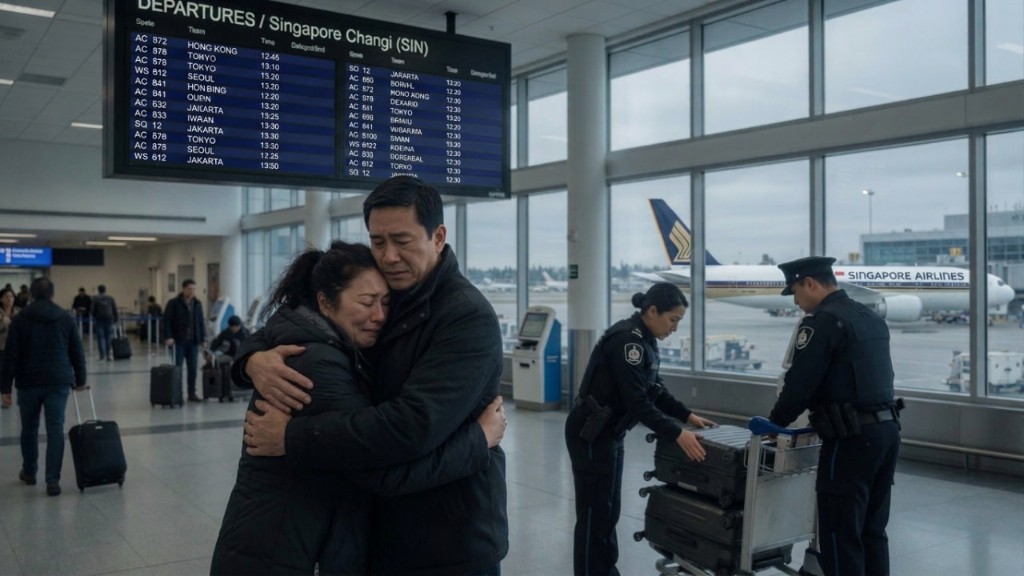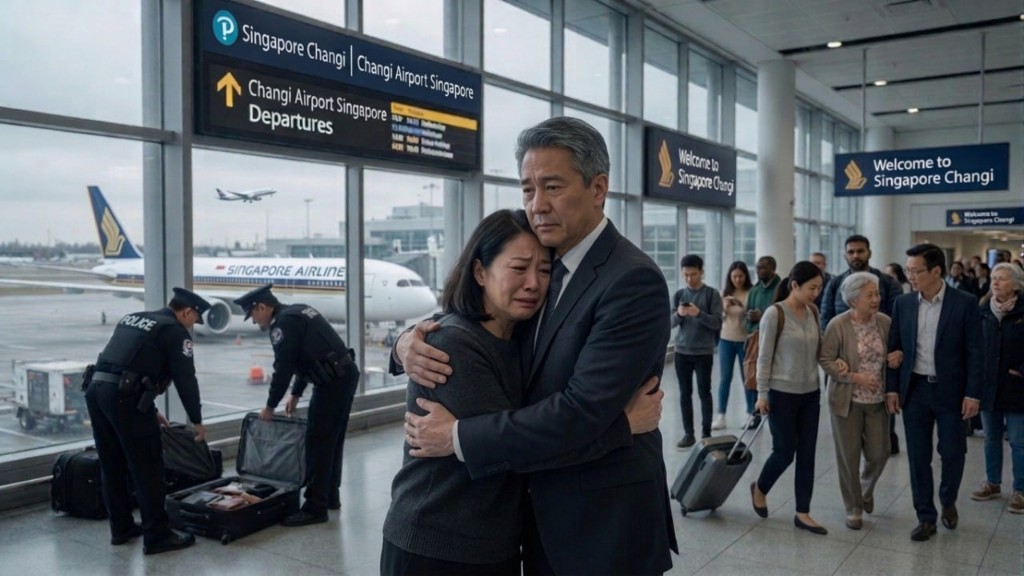
The call came at 06:30 on a Monday. Her mother, in Mumbai, needed an urgent procedure. The clinic required a deposit in person, in cash, before they would reserve the operating room. Priya Sharma booked the last seat on Singapore Airlines SQ406 that night, withdrew twenty-five thousand Singapore dollars from her Singapore account, and packed the money into the inner pocket of her carry-on. She had done the research she thought mattered: flight times, arrival formalities, where the clinic was relative to the airport. It never occurred to her that the border officer would want to know about the cash itself.
Singapore law is precise about this. The Corruption, Drug Trafficking and Other Serious Crimes (Confiscation of Benefits) Act requires anyone leaving Singapore with S$20,000 or more in currency or monetary instruments to report it — the Cross Border Movement of Physical Currency and Bearer Negotiable Instruments Report, Form CBM1, filed with the Immigration & Checkpoints Authority. There is no ban on carrying large sums. There is no tax. There is a reporting duty, and the duty sits with the traveller, not the bank, not the airline, not the travel agent.
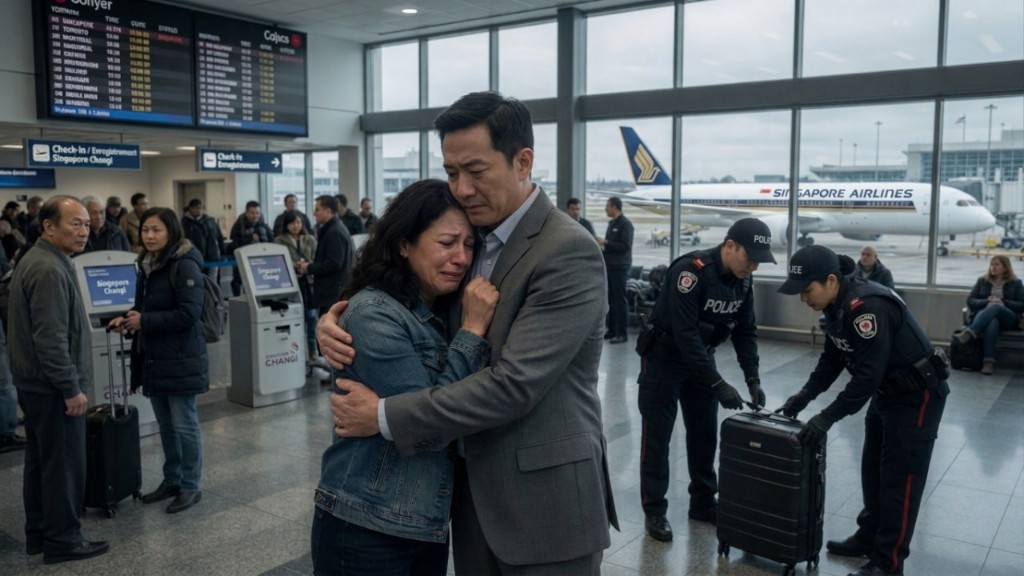
At 20:45, during routine secondary screening, the officer wanted to know how much currency she had on her. Priya told the truth — she had nothing to hide. The officer asked whether she had filed Form CBM1. She asked what that was. The next three hours unfolded in a small room off the departures level: the cash counted out on a steel table, her bank statements photographed, the clinic’s letter examined, her phone calls with the travel insurance provider transcribed into the officer’s notes. The officers were doing their job — correctly, politely, and completely by the book. Priya was never accused of anything. She was detained because a mandatory form had not been filed, and the only reason it had not been filed is that she had never heard of it.
The declaration was processed at 21:50. She was released at 22:10 with a warning letter and her money, minus forty minutes of sleep. She boarded SQ406 at 22:25. The doors closed at 22:32. She landed in Mumbai with six hours to spare before the clinic’s deadline and delivered the deposit in person at 09:00. The surgery went ahead. Her mother came home three weeks later.
She Counted the Rules. There Were Thousands.
On the flight home, Priya started a list. Every rule that could have derailed her trip, and every rule that could derail the next one: the S$20,000 cash threshold in Singapore; the different thresholds that apply in other countries Singaporeans fly to every day; the items that are legal at home and illegal at the destination; the visas and electronic authorizations that must be arranged days, not hours, before departure. She is an architect. She knows what a well-organized specification looks like. The border-rule landscape, she discovered, is the opposite of that — thousands of individually reasonable rules scattered across hundreds of government websites, none of them written for the person standing in the departures queue.
By the time she landed in Singapore she had the skeleton of FlyWithEase: a searchable, cited directory of everything a Singaporean needs to know before crossing a border. Currency thresholds first — the rule that had nearly kept her off the plane — then medications and goods, then visas, then the fine print people never think to check.
Carry cash? Take medication? Visit family abroad? Check the rules before you pack — free, offline, no account.
Download FlyWithEaseBuilt Around How Singaporeans Actually Travel
FlyWithEase is organized the way Singaporeans plan trips, not the way governments publish regulations. Before a trip to visit family, it shows you the cash declaration threshold for both directions, whether the medication in your bag needs a permit, and what to expect at customs. Before a business trip, it shows the same, plus the visa or eTA timeline and the documentation you should carry. Every entry names the statute, the form number, and the government page where the rule is published — so you can verify anything in the app against the source in under a minute.
Restricted items are covered the same way: prescription drugs that are routine in Singapore but controlled elsewhere, foods and natural products that biosecurity officers flag at the border, electronics and tools that some countries license. If a rule can turn a trip into a fine, a confiscation, or a missed flight, FlyWithEase surfaces it in the planning stage — while there is still time to do something about it.
One App. Every Rule. Sourced.
FlyWithEase covers every UN member state plus Taiwan, Kosovo, and Palestine, with currency thresholds, visa and eTA requirements, restricted and prohibited items, customs declarations, and the local rules that differ most sharply from Singaporean norms. Every entry carries its citation — the section of the act, the regulation number, the gazette reference — and every citation links to the source. When a government amends a threshold or adds a restriction, the entry is updated, dated, and versioned, so you can see not just what the rule is now but when it changed.
FlyWithEase does not offer legal advice. It does one thing: it makes the rules that already govern your trip legible — in plain English, in Singapore dollars and Singapore context, before you get to the airport. Free. No ads. No account. Download a country pack and the whole thing works offline, which is exactly when you need it.